Get In Touch


A single quarter of misdirected spend can set your pipeline back further than it looks on a report. This piece walks through why hiring an agency makes sense in the first place, the specific things worth checking before you sign a contract, and what to expect if you decide to work with us.
B2B buying decisions rarely happen in one sitting. A single deal usually needs sign-off from procurement, finance, and sometimes leadership, which means your marketing has to hold attention across weeks, not one ad click. Handling this in-house is possible, but it typically requires several specialized roles: someone who understands technical SEO, someone who runs paid campaigns, someone who writes for an audience with real industry knowledge, and someone who can build and maintain a site that converts. Hiring all of that as full-time staff is expensive and slow to assemble.
A B2B digital marketing agency gives you access to that full skill set on demand, without the overhead of building a department from scratch, and it brings outside perspective on what's already working across other B2B accounts, which is hard to develop when you're only looking at your own funnel.
Before requesting proposals, get specific about what you're trying to achieve. Lead generation, brand awareness, and customer retention require different strategies, timelines, and budgets, and an agency needs that context before it can tell you whether it's a fit. Vague goals lead to vague proposals, and vague proposals are hard to hold anyone accountable to later. Write down your current numbers, whatever they are, so you have a baseline to measure progress against once work begins.
B2B marketing behaves differently from consumer marketing. Sales cycles run longer, more people are involved in each decision, and messaging has to speak to specific job functions rather than general consumer emotion. Ask for case studies from clients in a similar industry or with a similar sales cycle length, not just a general portfolio. A useful early test: ask the agency to run a quick SEO audit on your current site during the pitch process. How they explain the findings, plainly or in jargon, tells you a lot about how they'll communicate once you're actually a client.
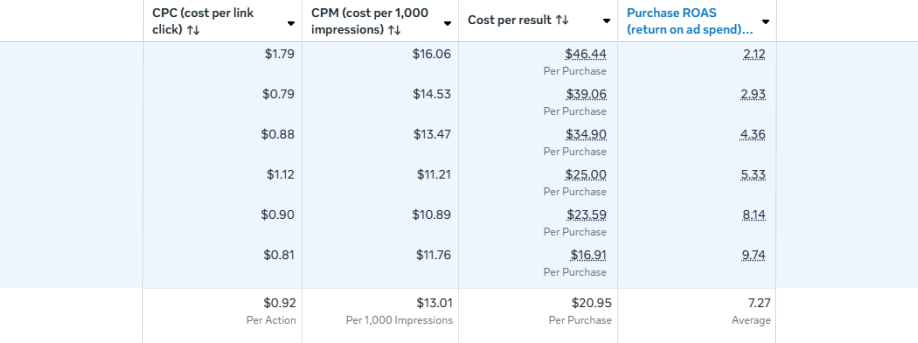
Some agencies specialize narrowly, which can work if you only need one channel handled well. Most B2B companies, though, benefit from an agency that covers B2B digital marketing services across SEO, content, paid media, and web development under one roof, since these channels perform better when they're coordinated rather than managed by separate vendors who don't talk to each other. Ask specifically what channels they run day-to-day, including whether paid social such as Facebook ads fits into their playbook for B2B audiences, since it's often underused compared to search and LinkedIn.
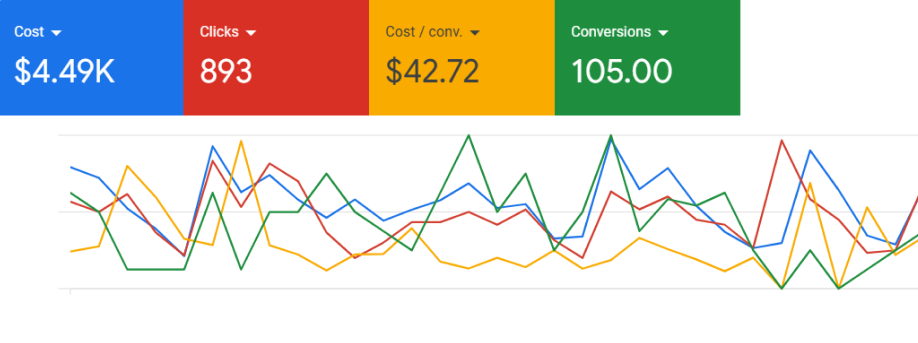
Traffic and impressions are easy numbers to report and easy to inflate with the wrong tactics. A genuine B2B performance marketing agency should be comfortable talking about pipeline, qualified leads, and cost per opportunity, not just clicks. Ask what gets reported monthly, how often you'll meet to review it, and whether they'll show you a real client report, with names removed if needed, before you sign. If an agency hesitates to connect its work to revenue metrics, that's worth noting before any budget changes hands.
Your website, ad accounts, and analytics should stay in your company's name, even while an agency manages them. This matters more than it sounds. Some agencies build client WordPress sites under their own hosting or admin accounts, which can make switching agencies later painful and expensive. Confirm upfront that you'll retain admin access to your site, your ad and analytics accounts, and any content produced, regardless of whether the relationship continues long term.
A capable agency should be able to explain, in plain terms, what you're paying for and why. Watch for vague retainers with no defined deliverables, or pricing that shifts once you start asking detailed questions. Ask what a typical month of work looks like, who on the team will actually touch your account, and how decisions get made when a campaign underperforms.
How an agency communicates during the sales process is usually how it will communicate once you're a client. Notice whether they answer questions directly or redirect to generic talking points, whether responses come from someone who understands your industry, and how quickly they follow up. A few weeks of back and forth before signing tells you more about day-to-day working style than any proposal document will.
We've spent over a decade working as a B2B digital marketing company for clients across the globe, which means we've seen what actually moves pipeline versus what just looks good in a slide deck. Our team runs SEO, paid media, content, and web development together, so campaigns stay coordinated instead of being pieced together from separate vendors who never compare notes. We report on the numbers that matter to a B2B sales cycle, not just traffic, and we're upfront when something isn't converting rather than dressing it up in a monthly report. Clients keep ownership of their sites, ad accounts, and content from day one, no exceptions. If you're evaluating agencies right now, we're happy to walk through exactly how we'd approach your specific goals before you commit to anything.
Choosing a B2B digital marketing agency comes down to a few unglamorous but important checks: clear goals defined before you start, real proof instead of promises, transparent pricing, and control over your own assets. None of this requires guesswork once you know what to ask. The agencies worth working with won't flinch at any of these questions, and the ones that do are telling you something worth listening to before you sign a contract, not after. If you're ready to talk through what a partnership like this could look like for your business, get in touch and we'll walk through it together.